
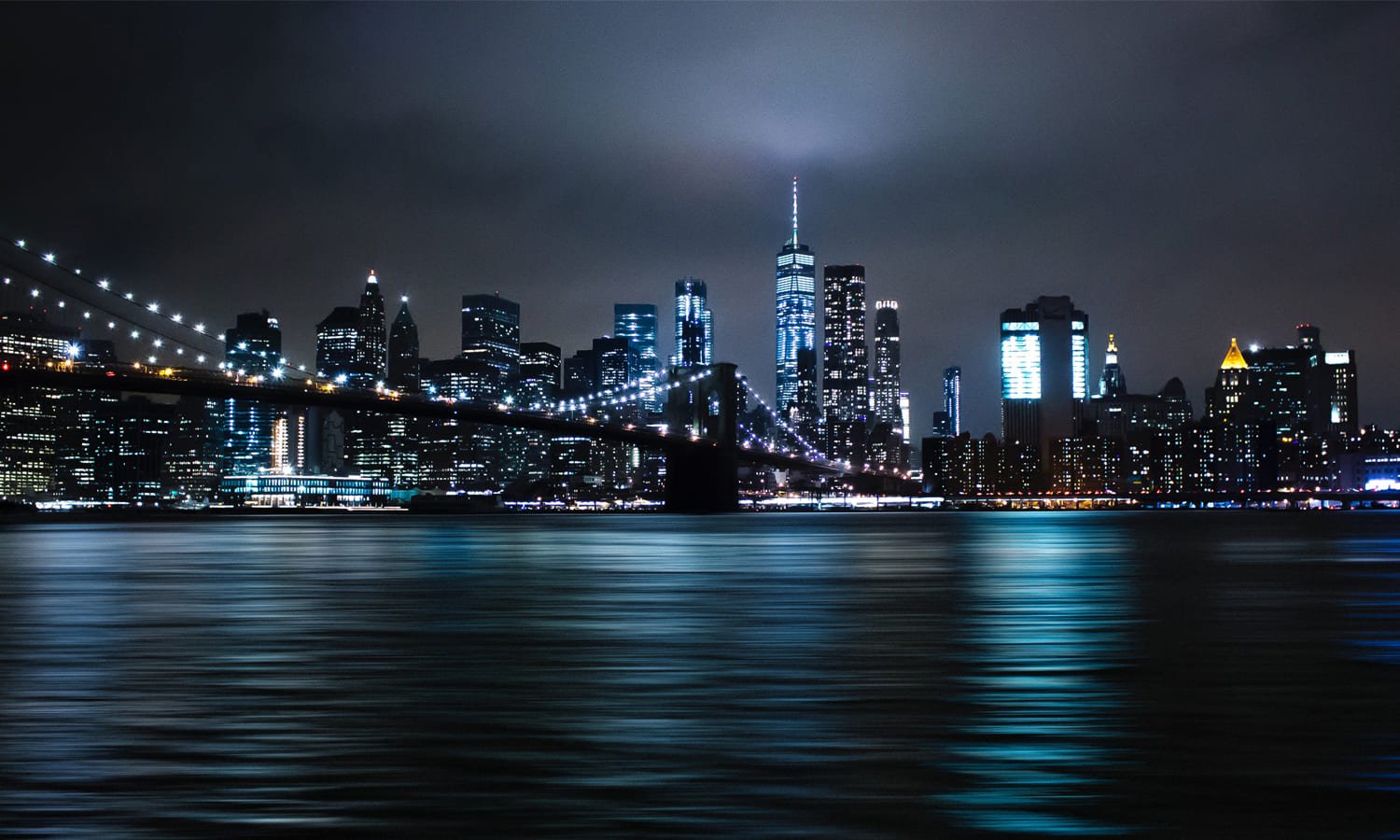
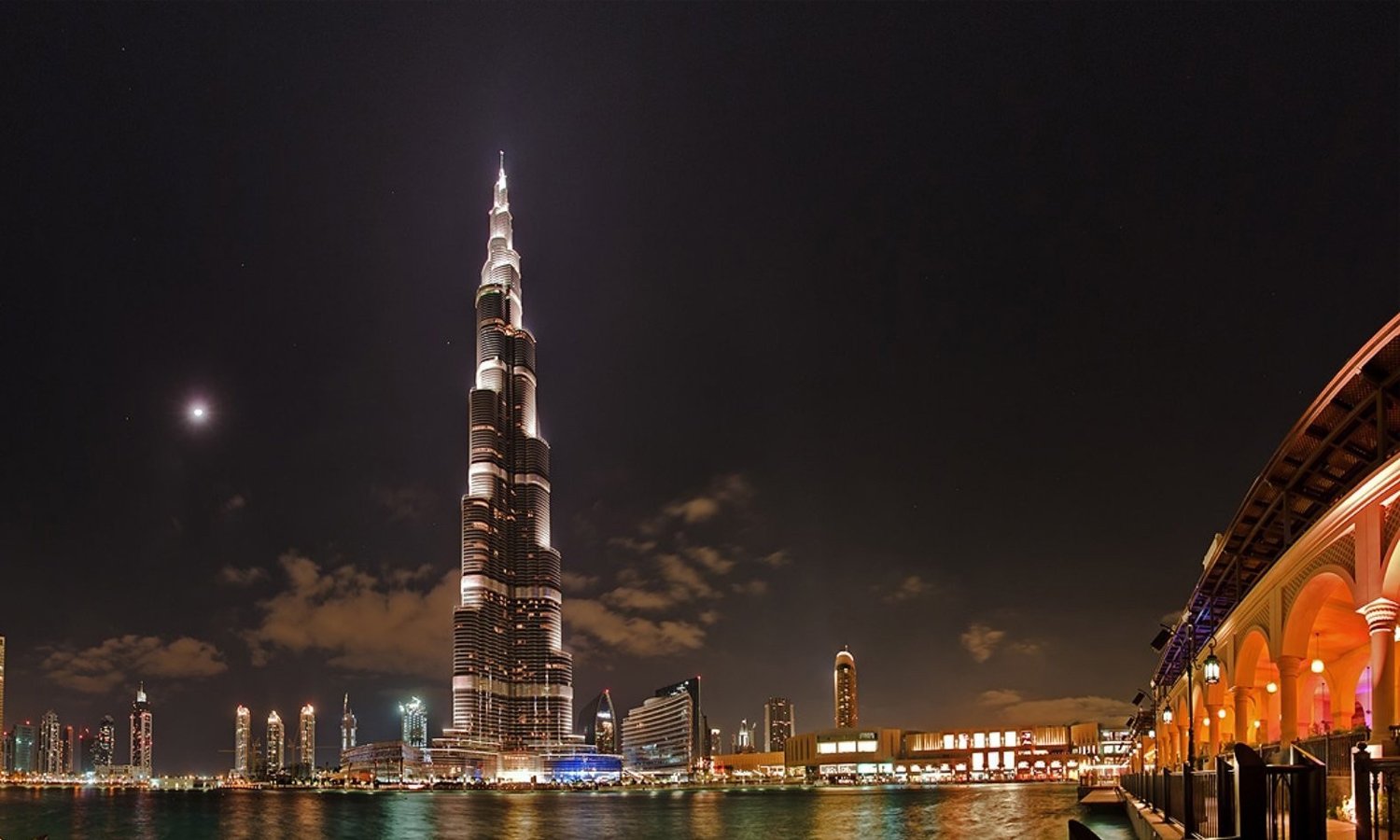
Architectural Linear
LED Lighting in Dubai
Read more

01
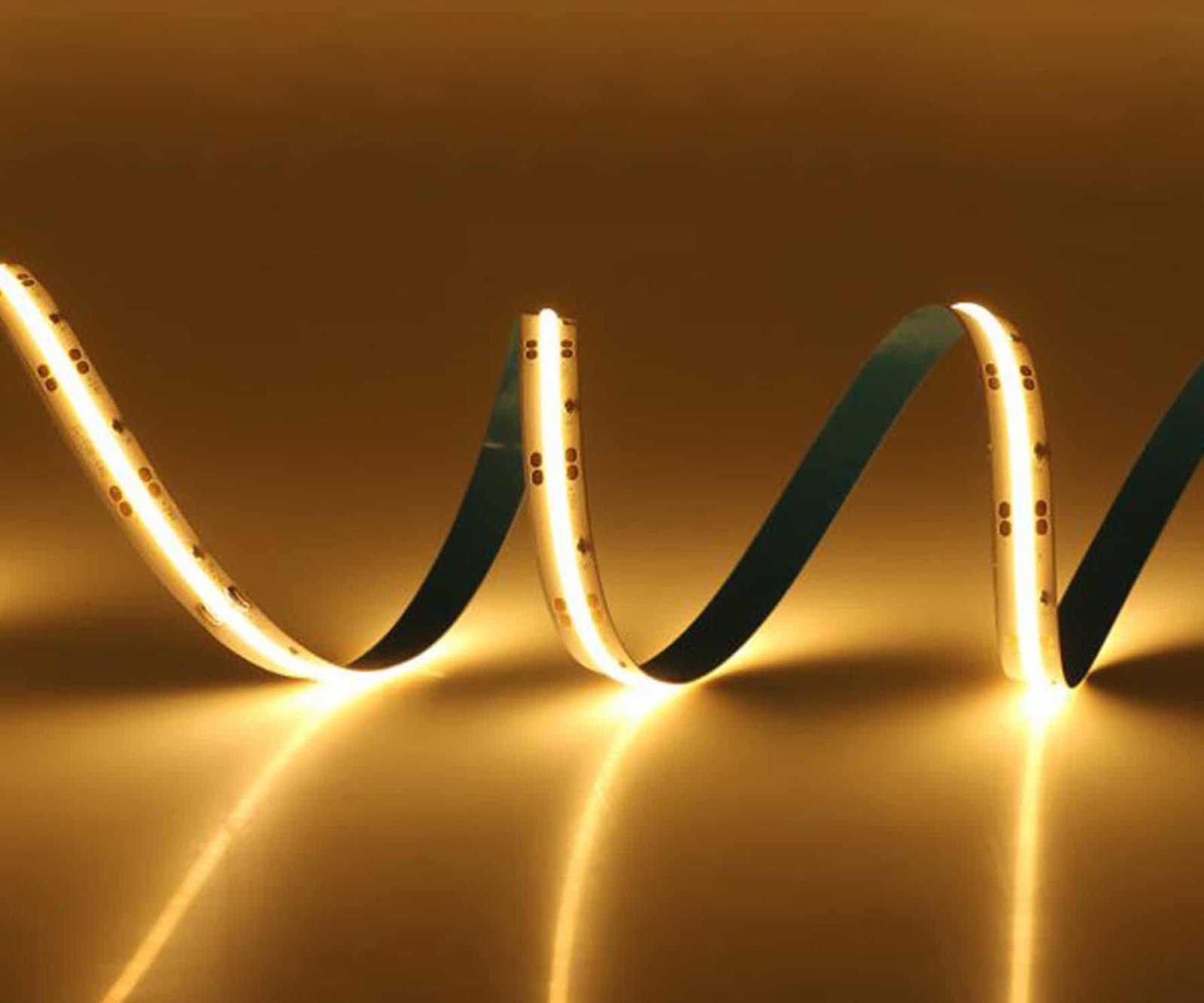
LED Strip Lights Options
Countries exported
Product to choose from
02
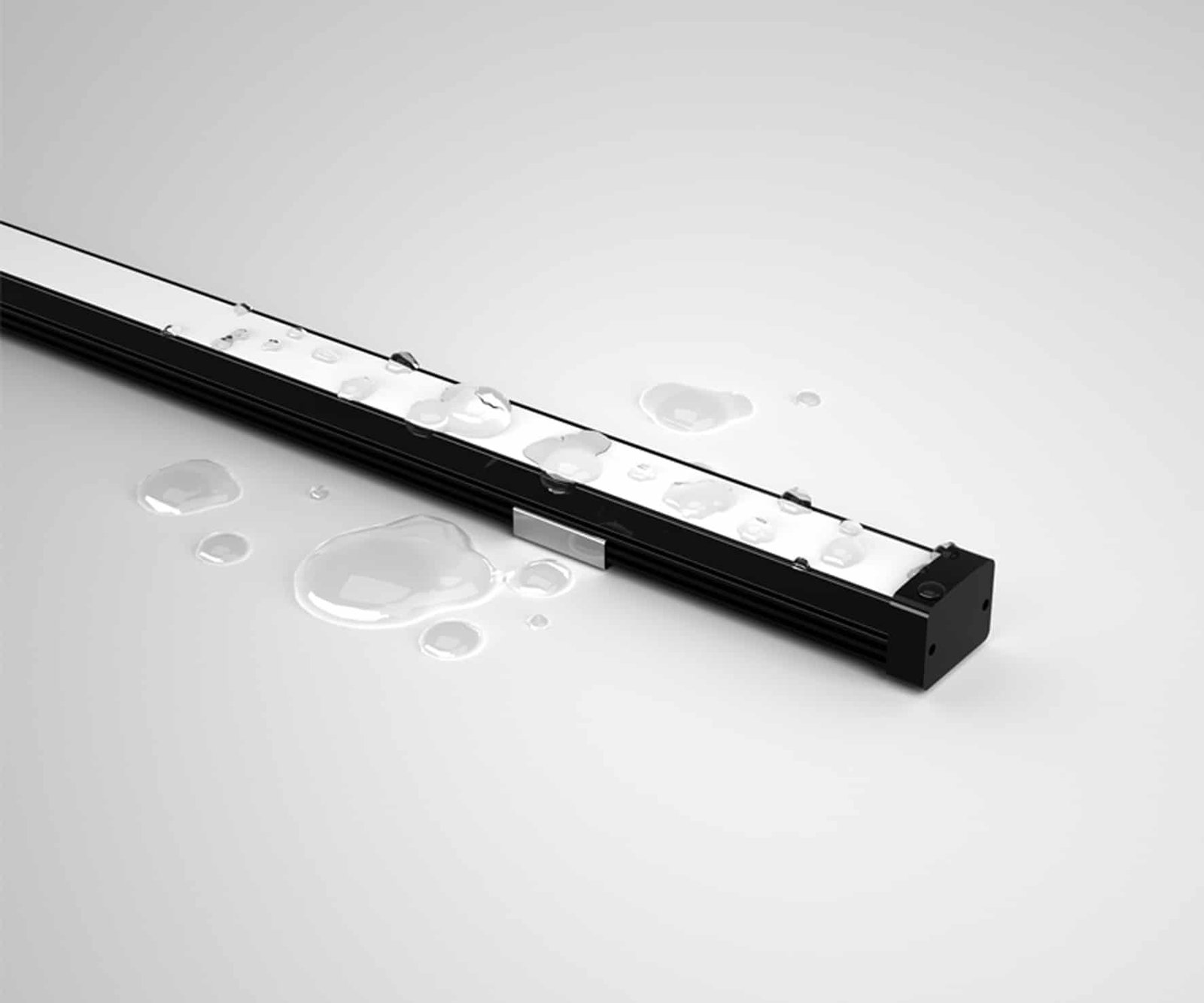
High grade LED aluminium profile
Shapes, Patterns
IP22 – IP68
03
Lumen/M
IP Rating & Swimming Pool Compliant
Min Size
04
Lumen/M
IP Rating
Min Size
How Architects in Dubai Use Linear Lighting Today
In contemporary architecture, linear lighting is rarely decorative. It is embedded, concealed, and intentional—working in harmony with structure, surfaces, and spatial flow.
Architects in Dubai commonly use linear lighting to:
- Define ceiling and wall geometries without visible fixtures
- Enhance natural and engineered materials such as stone, wood, metal, and plaster
- Create seamless transitions between spaces
- Establish hierarchy through light rather than ornamentation
- Deliver visual comfort in luxury interiors and high-traffic environments
Linear lighting succeeds when it disappears visually and allows architecture to take precedence.
Architectural Intent vs Product Selection
One of the most common challenges in architectural projects is the gap between design intent and product-led decisions. Many lighting systems perform adequately in isolation but fail when integrated into complex architectural details.
For architects, linear lighting must be evaluated as a system, not a standalone product.
What Architects Should Evaluate Before Specifying Linear Lighting
Light Quality and Material Accuracy
Dubai projects often feature high-value finishes and materials. Poor light quality can distort colors, flatten textures, and undermine design intent.
Key considerations include:
- High CRI for accurate material rendering
- Consistent color temperature across long runs
- Controlled diffusion to avoid glare and spotting
In premium spaces, light quality is immediately perceptible—and difficult to correct post-installation.
Mechanical and Architectural Integration
Linear lighting must integrate cleanly with ceilings, walls, coves, and joinery. This requires alignment between architectural detailing and lighting system dimensions.
Important factors include:
- Profile depth and mounting method
- Diffuser type and beam control
- Tolerance for on-site alignment and finishing
Systems designed without architectural integration in mind often result in visible compromises during execution.
Electrical, Controls, and Dimming Compatibility
Modern projects in Dubai frequently require:
- Dimming and scene control
- Compatibility with professional control systems
- Stable performance at low dimming levels
Lighting systems must be evaluated not just for output, but for how they behave in real-world operation.
Common Mistakes in Architectural Linear Lighting Projects
Even experienced teams encounter challenges when linear lighting is treated as an afterthought. The most frequent issues include:
Over-Illumination
Excessive lumen output leads to flat, uncomfortable spaces and undermines architectural subtlety.
Ignoring Thermal Design
Insufficient heat management reduces LED lifespan, causes color shift, and creates long-term maintenance issues—especially in continuous runs.
Inappropriate Profile Selection
Using profiles designed for retail or decorative use in architectural applications often results in glare, uneven light, or visible hardware.
Avoiding these mistakes requires early coordination between architecture, lighting design, and system selection.
How RHEA LED Linear Supports Architects & Designers
Design-First Approach
Our systems are engineered to support architectural intent—prioritizing integration, consistency, and restraint over catalogue limitations.
Specification and Application Guidance
We assist architects and designers by:
- Recommending appropriate systems for specific applications
- Advising on profile selection and optical performance
- Supporting design decisions with technical clarity
This collaborative approach reduces risk during execution and ensures alignment between drawings and site realities.
Customisation for Project Requirements
Architectural projects in Dubai rarely fit standard formats. We support:
- Custom lengths and configurations
- Application-specific system recommendations
- Adaptation to project constraints without compromising design intent
Where Architects Use Our Linear Lighting Systems
Our architectural linear lighting solutions are commonly specified for:
- Cove and ceiling-integrated lighting in luxury residences
- Retail and commercial fit-outs requiring clean, consistent lines
- Hospitality and experiential spaces where mood and rhythm matter
- Architectural detailing where light enhances form without visibility
Preferred Linear Lighting Systems for Architectural Projects
Architects typically specify:
- High-quality linear LED strip systems
- Professionally engineered aluminium profiles
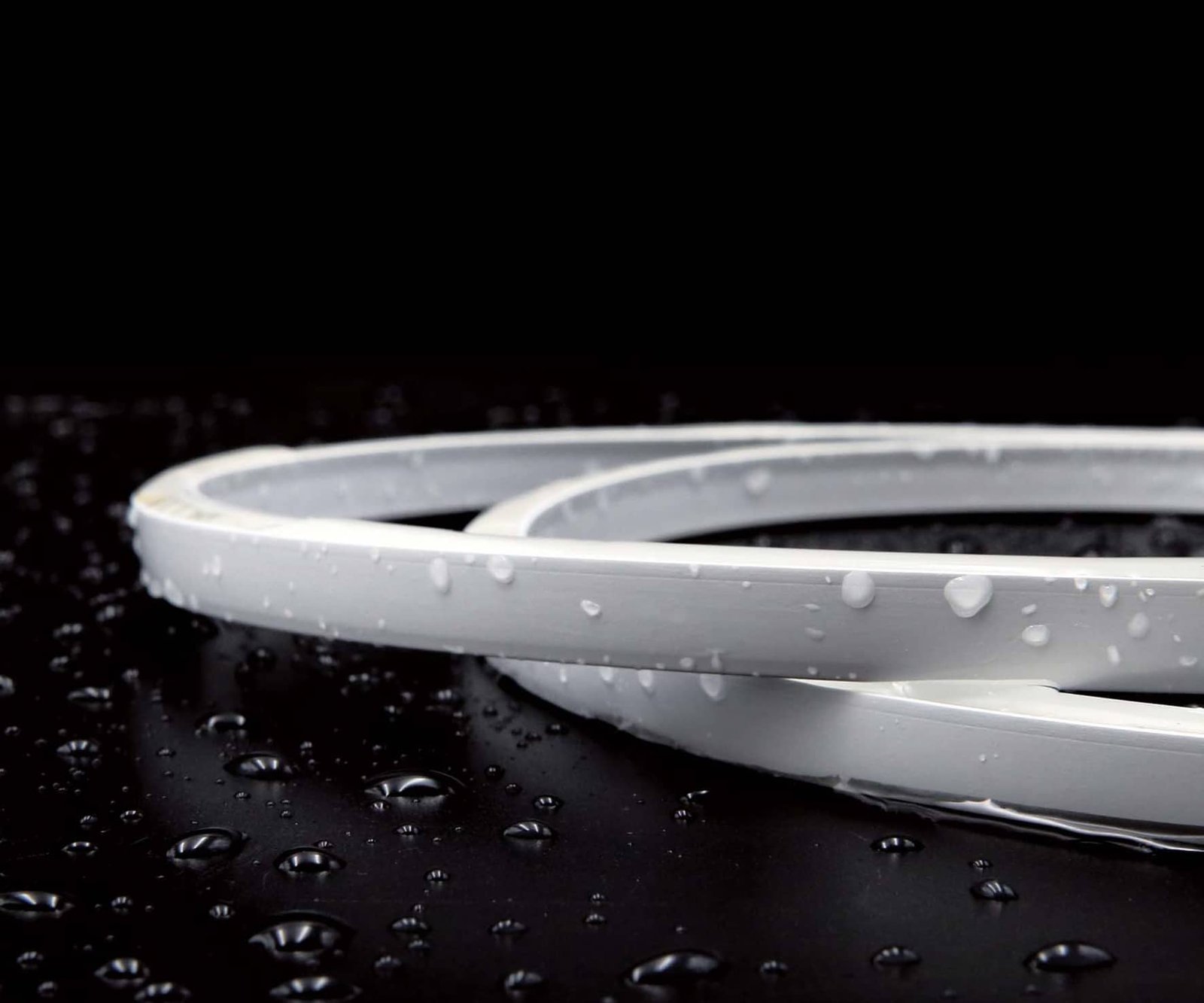
- Architectural-grade neon flex for visible light lines
Each system is selected based on application suitability, not generic performance claims.
Partner With a Linear Lighting Specialist in Dubai
Architectural lighting decisions influence not only aesthetics, but also project execution, long-term performance, and client satisfaction. Working with a specialist partner helps ensure that lighting systems support architectural intent—from concept through completion.
If you are designing or specifying a project in Dubai and require architectural linear lighting guidance, our team is available to support you.
Speak with our architectural lighting specialists to align design intent with execution—early and effectively.
"Infinite Architectural indoor & outdoor LED Linear lighting applications – the only limitation is your imagination"